Introduction to the Homag Region
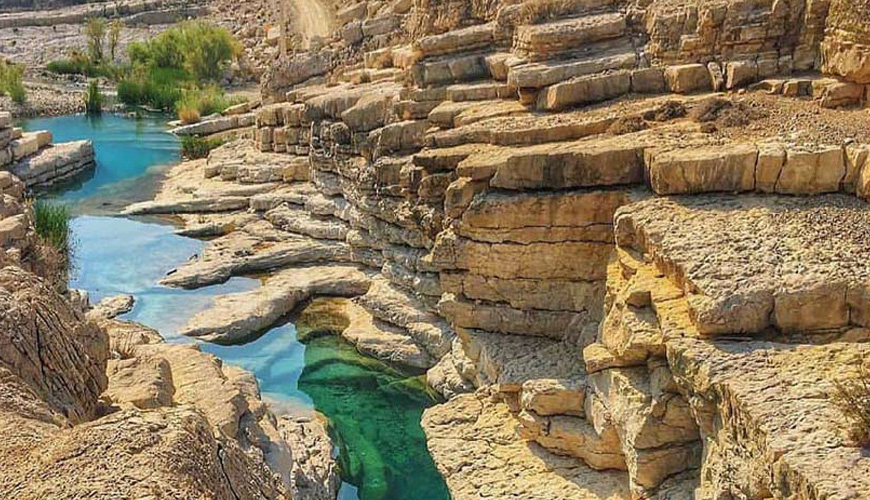
The Homag region is located in Siyahu District of Hormozgan Province. It is situated approximately 110 kilometers from the provincial capital, Bandar Abbas. Due to its mountainous nature, this region has a climate that differs significantly from other parts of Hormozgan. Summers are cool and pleasant, while winters are cold, with frequent snowfall. The Homag region consists of five villages, where most residents are engaged in farming and horticulture. The most important agricultural product of the area is tangerines. Attractions of the Homag Region Homag is considered one of the mountainous areas of Hormozgan Province, which distinguishes it from the province’s predominantly warm and coastal regions. In winter, the area receives snowfall, and with the warming weather in spring and summer, the melting snow from the highlands feeds streams and seasonal rivers. More than 90% of the Homag region consists of mountains. In addition to its mountainous terrain, the region features natural springs and permanent rivers that create breathtaking landscapes for visitors. These springs supply water for the local population. The area is also popular for mountain sports such as skiing, mountaineering, trekking, and more. Homag Protected Area The Homag Protected Area is located near the village of Homag and covers approximately 3,600 hectares. It is rich in wildlife and vegetation. Key wildlife species found in the highlands include wild goats and ibex. In the mid-altitude zones, species such as sheep, caracal, Persian black bear, and wildcats can be found. In the foothills and plains, gazelles, foxes, hyenas, wild boars, mongooses, and various rodents are common. Important bird species in this region include different kinds of partridges, see-see partridges, raptors, owls, wheatears, and wagtails. Reptiles such as agamas, monitor lizards, various lizards, and snakes also inhabit the protected area. The vegetation of Homag consists of both tropical and temperate plant species. In the southern lowlands, tropical trees such as prosopis, sidr, ghishur, milkweed, oleander, and willow are dominant. In mid-altitudes, wild almond, dwarf almond, pistachio, calligonum, ebony, and astragalus are common. At higher elevations, juniper and wild olive are the prevailing species. Homag Mountain Homag Mountain is located within the Homag Protected Area. Situated at the end of the Zagros mountain range, it consists of several peaks. The highest of these is Tashgard Peak, standing at 3,267 meters above sea level. It is also considered the tallest point in Hormozgan Province and is known as the “Roof of Hormozgan.” Homag Mountain is bordered by the village of Homag to the east, Sirmand to the west, Shamil, Jaein, Faraghan, and Bokhan to the north, and the villages of Siyahu, Zakin, Tal Gerdu, and Sikhuran to the south. Best Time to Visit Homag As mentioned, Homag has a mountainous climate. Summers are cool, while winters are cold and dry, with snowfall and frost. During winter, springs and streams may freeze, and much of the local vegetation enters a dormant state. Thus, the best time to visit this region is during spring, late summer, and early autumn. Spring, with the rebirth of vegetation and renewed life, is considered the ideal season for traveling to Homag. During this time, tour groups and nature enthusiasts frequently visit the area. ا


